This post is sponsored by Holafly.
If you’d told us during our 2019 world trip that within a few years we’d be connected to local data the moment our plane touched down, we honestly wouldn’t have believed you. Back then, staying connected abroad was practically a scavenger hunt every single time and we’ve still got the bag full of tiny SIM cards to prove it.
Connectivity Tips in this Article
The Old Way: A Dozen SIM Cards and a Lot of Stress
During our 6+ months traveling the world, our routine in every new country looked pretty much the same. Land, track down a cell shop (often with little to no local language skills to help us along), buy a physical SIM card, then pop it into our little dedicated SIM device so we could connect to it like our own personal WiFi hotspot. We actually loved that little device at the time, but using it also meant we sometimes spent hours in every single country while we hunted for a shop, tried to figure out which plan actually made sense and just hoped the card would activate without any problems (spoiler: it often didn’t).
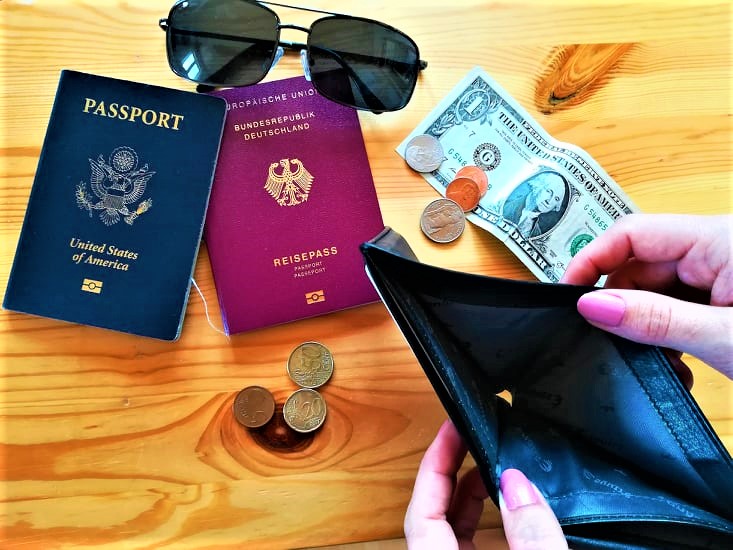
We’ve collected more than a dozen SIM cards over the years, which have gone the same way as those random leftover coins we have from countries with different currencies. We hung on to them because “you never know when you’ll be back to use them”. We had no idea at the time, but there was already a much easier way to do this. We just hadn’t found it yet.
Why Your Home Provider Is a Bad Idea Abroad
If you’ve ever landed somewhere and turned your phone back on out of habit, you already know the dread that follows: a text from your carrier warning you about international roaming rates. Most domestic plans charge per megabyte the moment you leave their network and those charges add up shockingly fast. A few hours of maps, messaging and scrolling can turn into a bill that’s hundreds of dollars higher than you’d ever expect; often without a single warning along the way.
The core issue is simple: your home provider has no infrastructure where you’re traveling. Every bit of data gets routed back through partner networks and you pay a premium for that privilege. A local or regional data plan skips all of that entirely, because it’s actually built for the country you’re standing in.
eSIMs: Why We Now Use Holafly
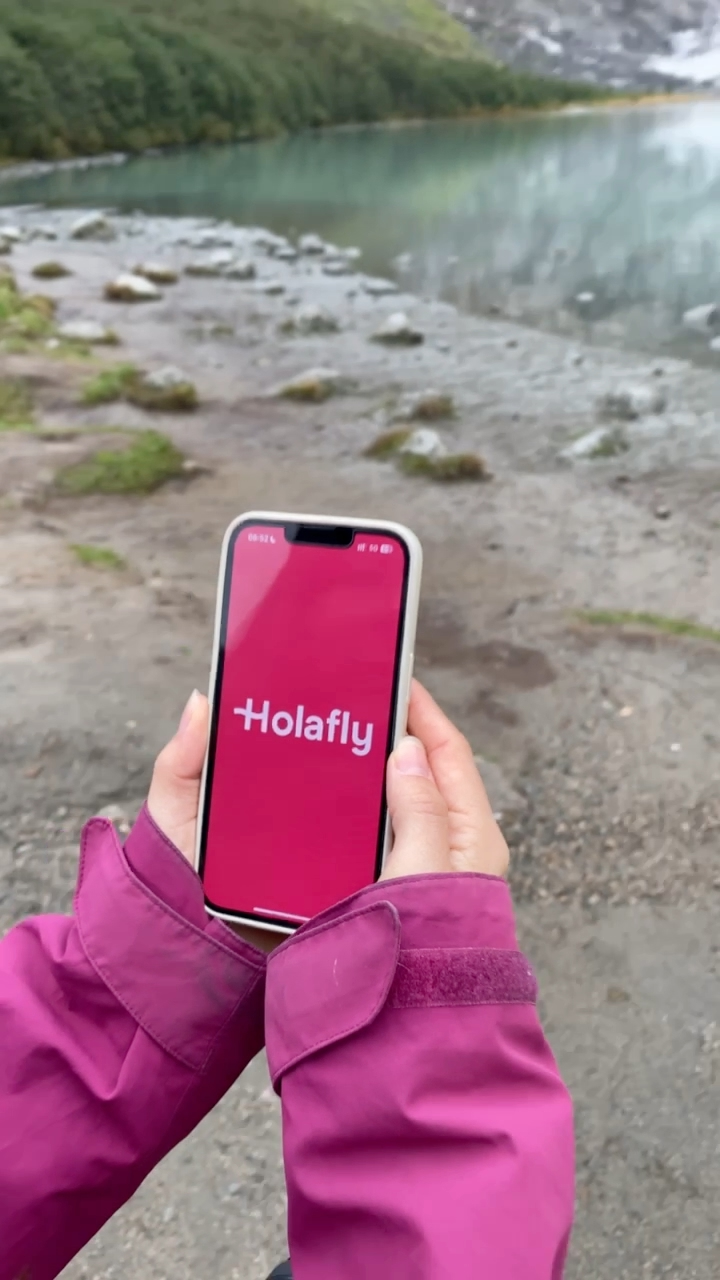
These days, our routine looks nothing like it did back in 2019. Before a trip, we open the Holafly app, pick our destination, choose a data plan and buy an eSIM right from our phone. A few minutes later it’s installed and the moment we land, we switch it on and we’re connected — no shop, no queue, no fumbling with a tiny SIM tray on a park bench somewhere.
We’ve used Holafly on quite a few trips now, and honestly, the appeal for us really comes down to convenience. There’s no physical card to lose, no separate hotspot device to carry and keep charged, and no juggling a dozen little SIMs in a plastic baggie at the bottom of a backpack. Everything just lives on the phone we already have on us. If we’re island-hopping or crossing a border mid-trip, switching plans takes minutes, not a half-day detour into town.
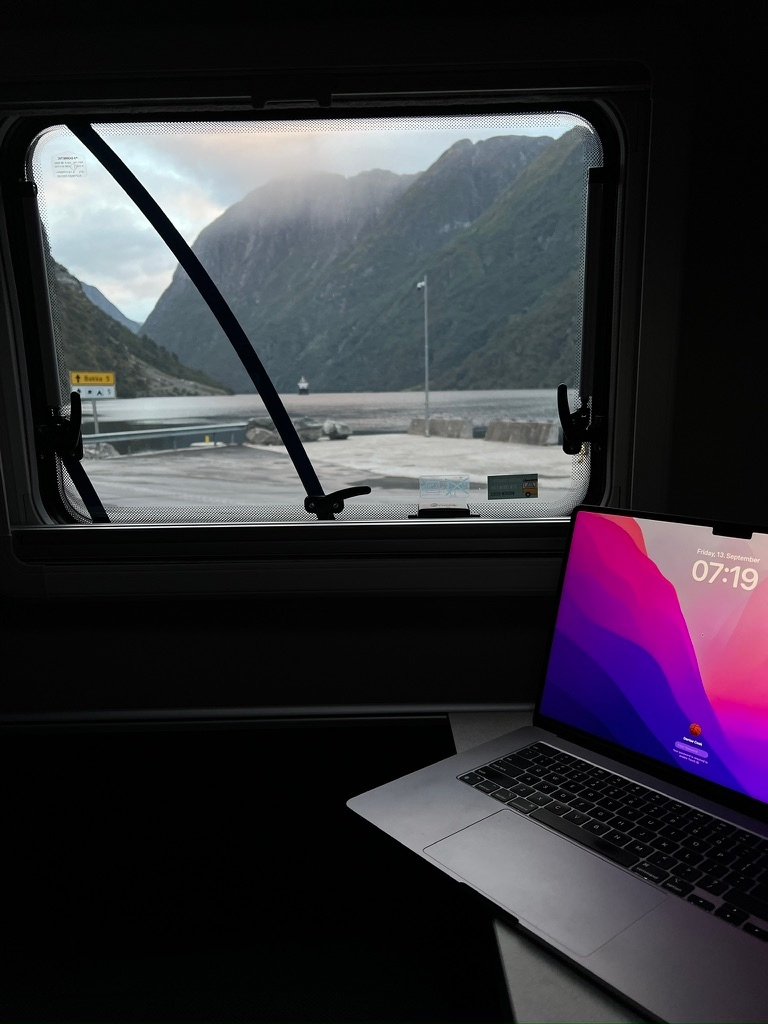
It’s also just so much less stressful. On our 2019 trip, being disconnected for even a few hours felt like a minor crisis — no maps, no translation apps, no way to check if the hotel was actually where the address said it was. With an eSIM ready to go before we even board the plane, that whole layer of anxiety is simply gone.

Our Advice for Future You
If you’ve got a trip abroad coming up, do yourself a favor and skip the roaming charges and the SIM-card scavenger hunt altogether. Set up your Holafly eSIM before you leave and let it activate the moment you land. It’s the one part of travel prep from our 2019 selves that we’re genuinely happy we never have to do again.
About the Authors

Ryne and Denise Cook: We’ve been traveling the world for many years and absolutely love exploring the diverse cultures and landscapes on our unique planet. Staying connected is vitally important to us so that we can comfortably and safely navigate strange new places.